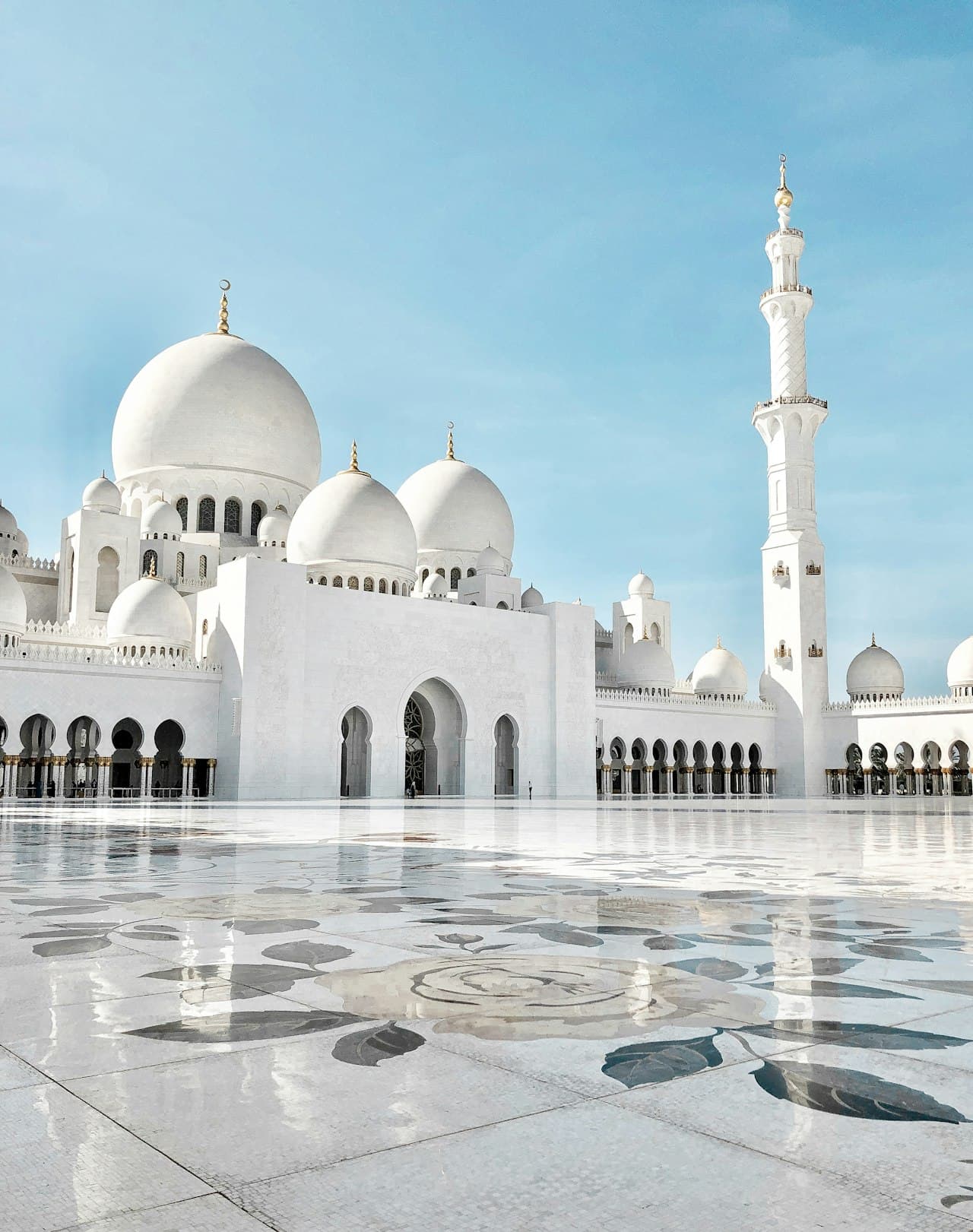
Quba Mosque
Quba Mosque
Quba Mosque, southwest of Madinah, is the first mosque built by Muslims in Islam after the Hijra—founded by the Prophet ﷺ among Banu Amr ibn Awf, second only to the Prophet’s Mosque in the city.
Plan your visit
Practical information verified separately from the historical record.
Access: داخل المدينة المنورة ويمكن الوصول إليه من الطرق العامة وممشى قباء.
Before you go: Check with the operator or a local guide before departure; field access details have not yet been verified.
Why visit?
Quba embodies the mosque ‘founded on piety from the first day.’ Visiting and praying there is a living sunnah, linking the arrival from Makkah to the birth of Madinah’s community.
Southwest of Madinah on the Hijra road stands Quba Mosque, where the great journey from Makkah paused and a community’s memory began. The Prophet Muhammad ﷺ stayed with Banu Amr ibn Awf and founded the first mosque built by Muslims in Islam.

Hijra and the first stones
Sources describe his stay with Kulthum ibn al-Hidm and the founding of the mosque with the Companions’ labor. The Qur’anic theme of a mosque ‘founded on piety from the first day’ is tightly bound in Muslim tradition to this place.

Near the Prophet’s Mosque
Quba lies about 3.5 km from Al-Masjid an-Nabawi. It is Madinah’s largest mosque after the Prophet’s Mosque, and visiting it for prayer is a living sunnah the Prophet himself practiced on foot or mounted.
Renewed through ages
The original simple structure was renewed across caliphates and later centuries—including work associated with Umar ibn Abd al-Aziz—through the Saudi era and major modern expansions, always keeping the meaning: the first house Muslims built for prayer after the Hijra.