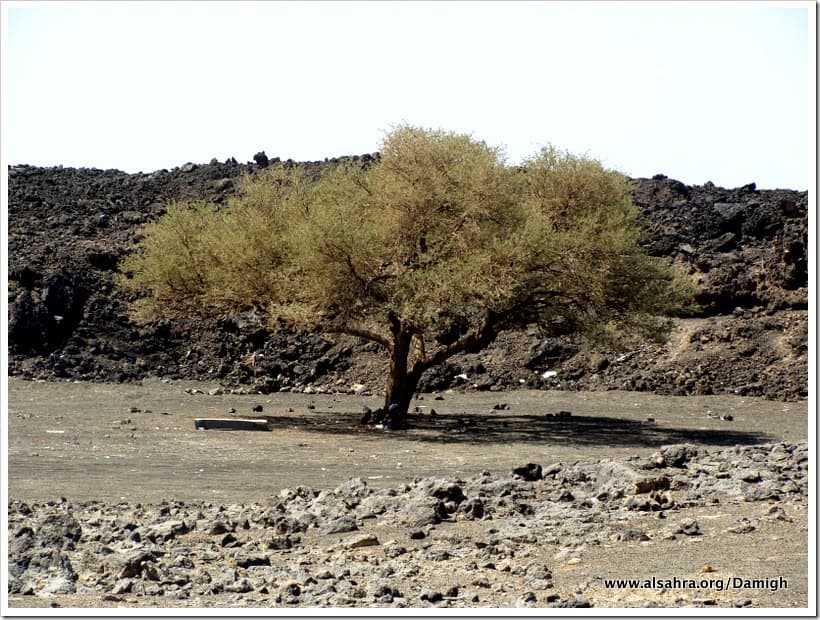
Umm Jirsan Cave
Umm Jirsan Cave
Umm Jirsan Cave in Harrat Khaybar is a major lava-tube site with archaeological and natural significance.
Plan your visit
Practical information verified separately from the historical record.
Before you go: Check with the operator or a local guide before departure; field access details have not yet been verified.
Why visit?
Enter one of the Arabian Peninsula's most remarkable volcanic caves.
Umm Jirsan is a lava tube cave in Harrat Khaybar, formed when molten basalt drained from a volcanic channel and left a hollow tunnel beneath the surface. At over 1.5 kilometers in length, it is the longest documented lava tube in the Arabian Peninsula. The cave preserves geological formations including lava shelves, blocked passages, and openings to the surface.
Archaeological investigations have found evidence of human and animal use of the cave, including bones and artifacts that suggest it served as shelter or a deposition site over long periods. Lava tubes in volcanic regions often attracted bats, hyenas, and humans seeking refuge from the desert heat.
Umm Jirsan has gained international attention from speleologists and archaeologists as a natural and cultural monument. It exemplifies how volcanic geology created not only the harsh surface of the harrat but also hidden spaces that shaped human and ecological history.