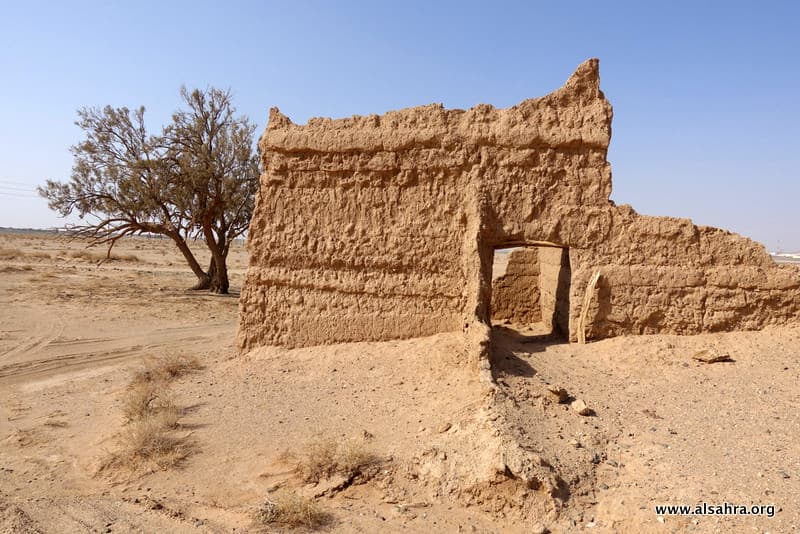
Al-Fawwara Spring
Al-Fawwara Spring
A historic water and agricultural site in western al-Qassim, developed by Isa ibn Sulayman al-Hashimi in the second century AH and restored by Sheikh Abdullah ibn Blaihed in 1343 AH with qanat channels and kaza'im.
Plan your visit
Practical information verified separately from the historical record.
Before you go: Check with the operator or a local guide before departure; field access details have not yet been verified.
Why visit?
See a rare Abbasid-era hydraulic landscape in western Qassim where ancient springs still feed fields through restored underground channels.
Al-Fawwara Spring is one of the oldest water and farming sites in western al-Qassim. It lies in the town of al-Fawwara about one hundred and seventy kilometers west of Buraydah at an elevation between 777 and 785 meters above sea level. In the second century AH Isa ibn Sulayman al-Hashimi organized the spring's flow for agriculture, part of the Abbasid effort to extend reliable irrigation into the Najdi interior.
In 1343 AH Sheikh Abdullah ibn Blaihed revived the system with kaza'im and underground channels, restoring a network that had fallen into decline. The site demonstrates how Arab engineers adapted qanat technology to local geology, directing water from the spring through controlled channels to fields and settlement.
Al-Fawwara holds dual historical importance as both an Abbasid hydraulic model and a landmark of twentieth-century local heritage conservation in al-Qassim.
Historical milestones
Related events
تربط الآبار والعيون القديمة في نجد والشمال والشرق بفكرة أن الماء هو أول بنية تحتية للتجارة والاستقرار.
تجمع الآبار والعيون والسدود والقنوات كطبقة تفسر كيف نشأت الأسواق والقرى والطرق حول موارد الماء.