Wadi Maawan
Wadi Maawan
An archaeological wadi west of al-Kharj between the Tuwaiq mountains, with massive defensive walls and watchtowers documented by al-Hamdani and mourned in verse by Ibn al-Muqarrab al-Uyuni.
Plan your visit
Practical information verified separately from the historical record.
Before you go: Check with the operator or a local guide before departure; field access details have not yet been verified.
Why visit?
Explore Abbasid-era fortifications and settlement remains where classical geographers recorded the tribes of Banu Hazzan and Banu Rabi'ah.
Wadi Maawan is a wadi of exceptional archaeological importance west of al-Dilam in Riyadh Province, cutting through the ancient Tuwaiq range in southern Najd. The geographer al-Hamdani (280-336 AH) recorded the site in his geographical dictionary, noting that the village of Maawan was populous with inhabitants from the Banu Hazzan and Banu Rabi'ah, evidence of an active human settlement in the Abbasid period.
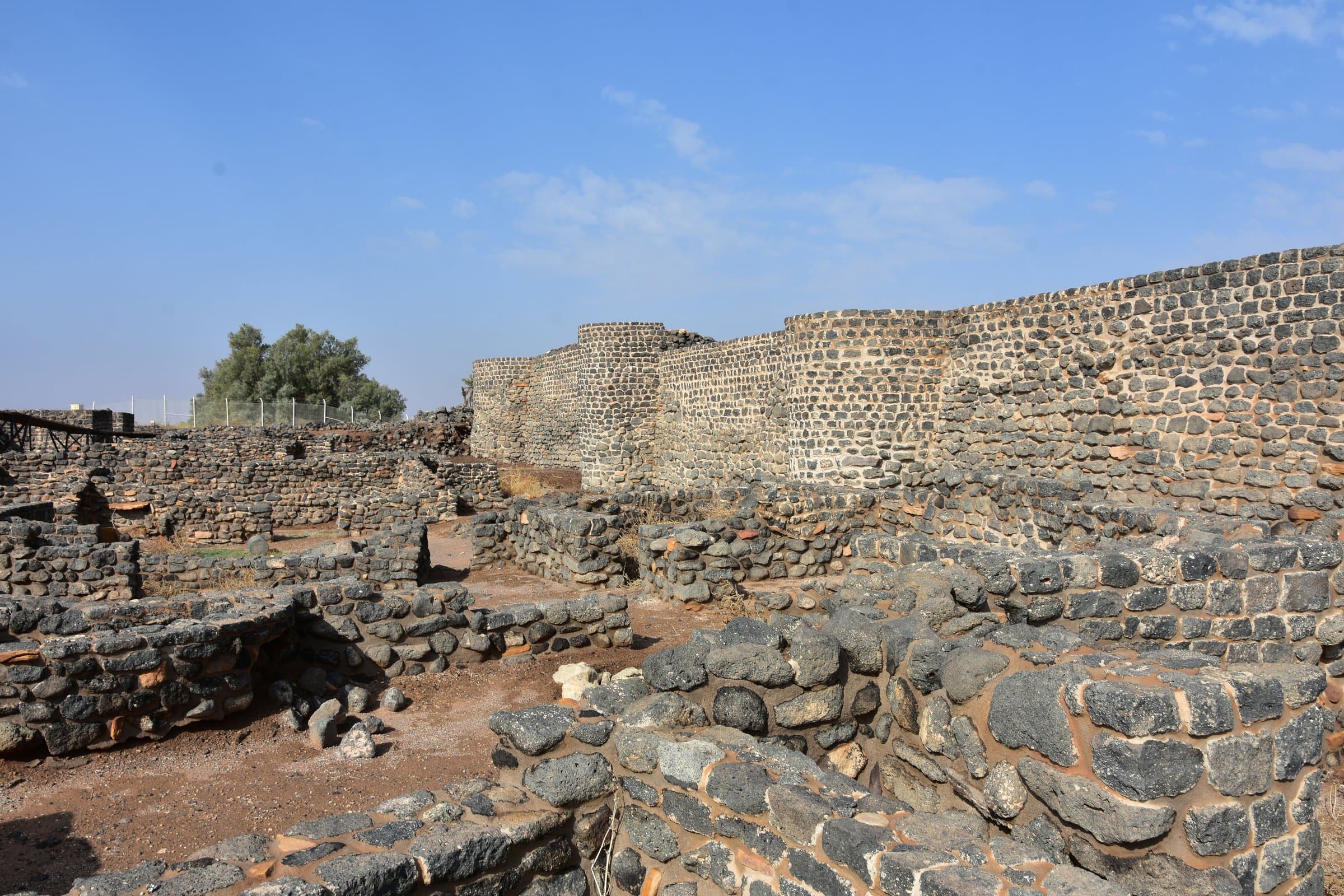
The valley preserves distinctive defensive remains, above all two fortresses facing each other on the north and south banks, built of stone and mud with walls rising to about six meters. Towers and enclosures suggest a landscape shaped by security as well as agriculture. The Andalusian poet Ibn al-Muqarrab al-Uyuni (572-629 AH) lamented the ruins of Maawan in a famous ode, adding a literary dimension to its material record.
Wadi Maawan offers a rare combination of military architecture, tribal history, and classical Arabic poetry in a single Najdi corridor, making it a key site for understanding how fortified oasis settlement persisted on the western edge of the Tuwaiq.