درب الحج النبوي
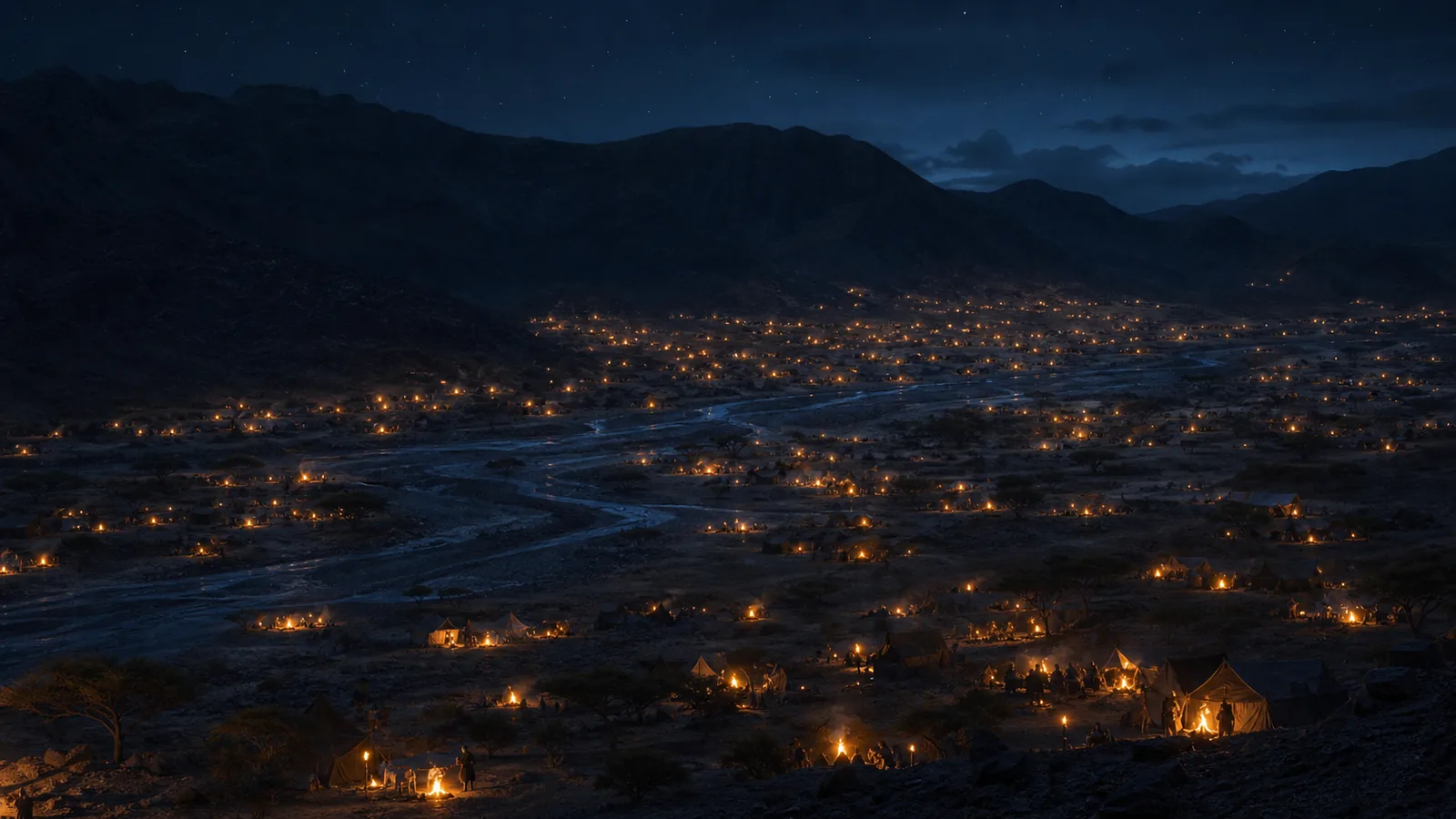
The Prophetic Hajj Road (Darb al-Hajj al-Nabawi) follows the route the Prophet Muhammad ﷺ took from Medina to Mecca on the Farewell Pilgrimage (10 AH / 632 CE), documented by Muslim geographers from Waki' to al-Samhudi.
Dhul Hulaifah (Abyar Ali)—Madinah miqat of the Prophet’s ihram.
A principal rest stop on the Prophetic Hajj route about twelve miles from Dhu al-Hulayfah. A sound hadith records that the Prophet performed cupping at Mullul while in ihram, and field surveys have revealed the remains of a large garrison fort and shops.
Al-Abwa between Makkah and Madinah—Hijra road station tied to Amina bint Wahb’s grave in Muslim memory.
A historic Hijazi coastal city used as a miqat for ihram after ancient al-Juhfa declined. It lies north of Jeddah on the Red Sea and was a stop on the Prophetic coastal Hajj route; today it hosts a major industrial port.
Al-Juhfah near Rabigh—miqat for Syria, Egypt, and the Maghrib.
An ancient Hajj stop between al-Juhfa and Mecca, about thirty-three kilometers from the holy city. The Prophet passed through on the Farewell Pilgrimage and during the Conquest of Mecca, and an Ottoman qishlah still stands on the site.
Batan Marr / Marr al-Zahran in the gazetteers, Wadi Fatimah and al-Jumum today: a Hajj-road station between Madinah and Makkah, and the camp of the conquest army on the night before Makkah in 8 AH.
A place on the Madinah–Makkah road, some ten miles northwest of Makkah, between Marr al-Zahran and the Haram. The Prophet married Maymuna here in the Umra of 7 AH; she died here in 51 AH and was buried where she had asked.
Start your journey from the first site