Jubbah Rock Art
Jubbah Rock Art
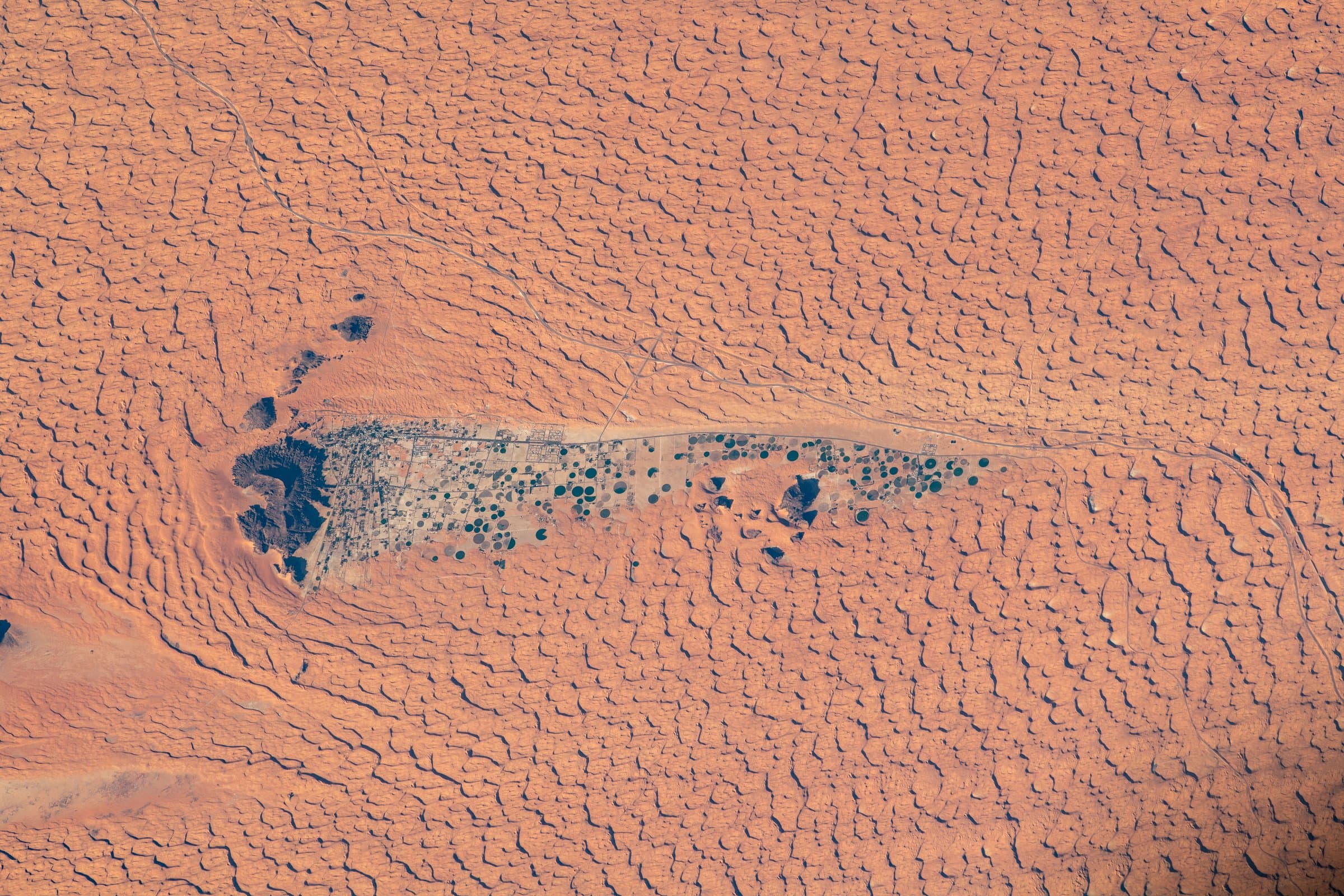
Rock art on Jabal Umm Sinman near Jubbah northwest of Hail, spanning nearly ten thousand years and inscribed as part of the UNESCO World Heritage Site in 2015.
Plan your visit
Practical information verified separately from the historical record.
Access: تتوفر جولة خاصة من حائل تشمل النقل والدليل والدخول؛ نقطة الانطلاق والوقت يؤكدان بعد الحجز.
Before you go: Check with the operator or a local guide before departure; field access details have not yet been verified.
Why visit?
See one of the richest open-air galleries in Arabia, where hunting scenes, human figures, and Thamudic inscriptions document millennia of life at the edge of the Great Nafud.
The Jubbah rock art lies on the slopes of Jabal Umm Sinman west of the Jubbah oasis, about ninety kilometers northwest of Hail city at the southern margin of the Great Nafud. In antiquity the oasis was a freshwater lake that sustained humans and animals before the region desiccated and the sands advanced.
Sandstone outcrops preserve thousands of engravings and inscriptions depicting human and animal forms: men and women with detailed hair and dress, hunting scenes, ibex, oryx, camels, and a rare depiction of a horse-drawn chariot. Thamudic scripts among the panels date to several phases of the peninsula's pre-Islamic past.
Inscribed on the UNESCO World Heritage List in 2015 alongside the Shuwaymis site, Jubbah ranks among the largest and most varied rock-art complexes in Saudi Arabia and the Middle East. It offers an unparalleled visual archive of how hunter-gatherers and pastoralists imagined themselves and their prey on the shores of a vanished lake.