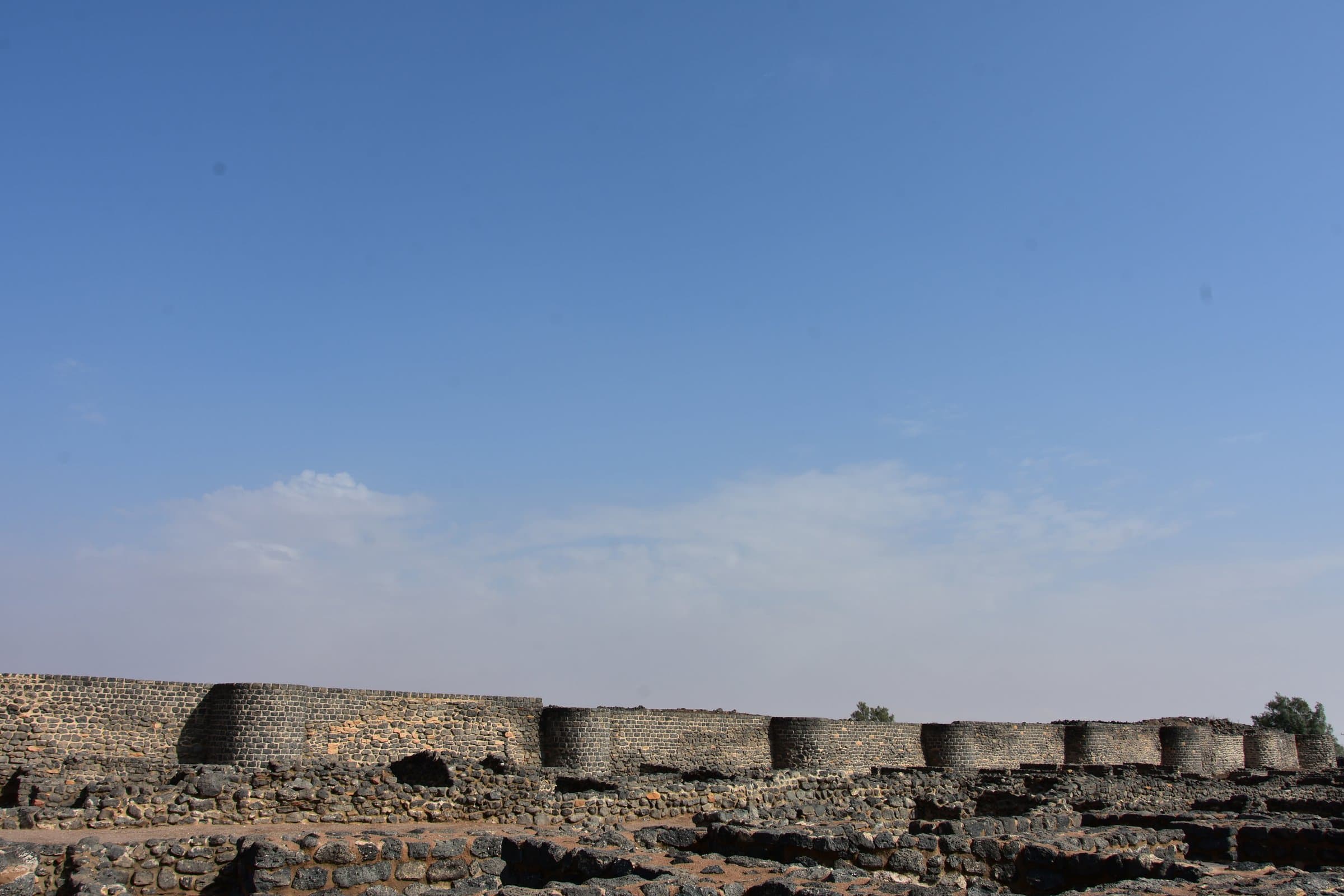
Fayd
Fayd
Fayd was an early Islamic town and Hajj-route station in northern Najd, with surviving ruins that show how pilgrimage infrastructure shaped the desert road.
Plan your visit
Practical information verified separately from the historical record.
Access: بلدة فيد الأثرية تحتاج تنسيقًا محليًا؛ الخدمات الميدانية ليست مضمونة.
Before you go: Check with the operator or a local guide before departure; field access details have not yet been verified.
Why visit?
Walk through a key Abbasid-era Hajj station that sustained pilgrims crossing the Najdi desert.
Fayd was one of the most important stations on the Darb Zubayda, the great Kufan Hajj road developed under Abbasid patronage, especially by Queen Zubayda bint Ja'far. Situated in the Najdi plateau, it served pilgrims traveling from Iraq and Persia toward Mecca, offering water, rest, and protection in an otherwise harsh landscape.
Archaeological remains at Fayd include cisterns, wells, pools, and the foundations of buildings and fortifications that supported the Hajj infrastructure. The station functioned for centuries as part of a network that included Rabdha, Dhat 'Irq, and other waypoints across hundreds of kilometers.
Fayd illustrates the scale of Abbasid investment in pilgrimage logistics and the central role of Hajj in connecting the Islamic world. Its ruins stand as testimony to an era when rulers competed to serve the pilgrims and earn spiritual merit through public works.