Al-Ahsa
Al-Ahsa
Al-Ahsa Oasis in eastern Arabia—the largest date-palm oasis, with springs, canals, and heritage fabric—UNESCO World Heritage since 2018.
Plan your visit
Practical information verified separately from the historical record.
Access: الواحة منظر ثقافي واسع يضم مدنًا وعيونًا وبساتين ومعالم متعددة؛ يلزم سيارة وخطة يوم.
Before you go: Check with the operator or a local guide before departure; field access details have not yet been verified.
Why visit?
Al-Ahsa proves eastern Arabia was never empty sand alone—it was water, palms, and towns. UNESCO listing honors a living cultural landscape still irrigated and inhabited.
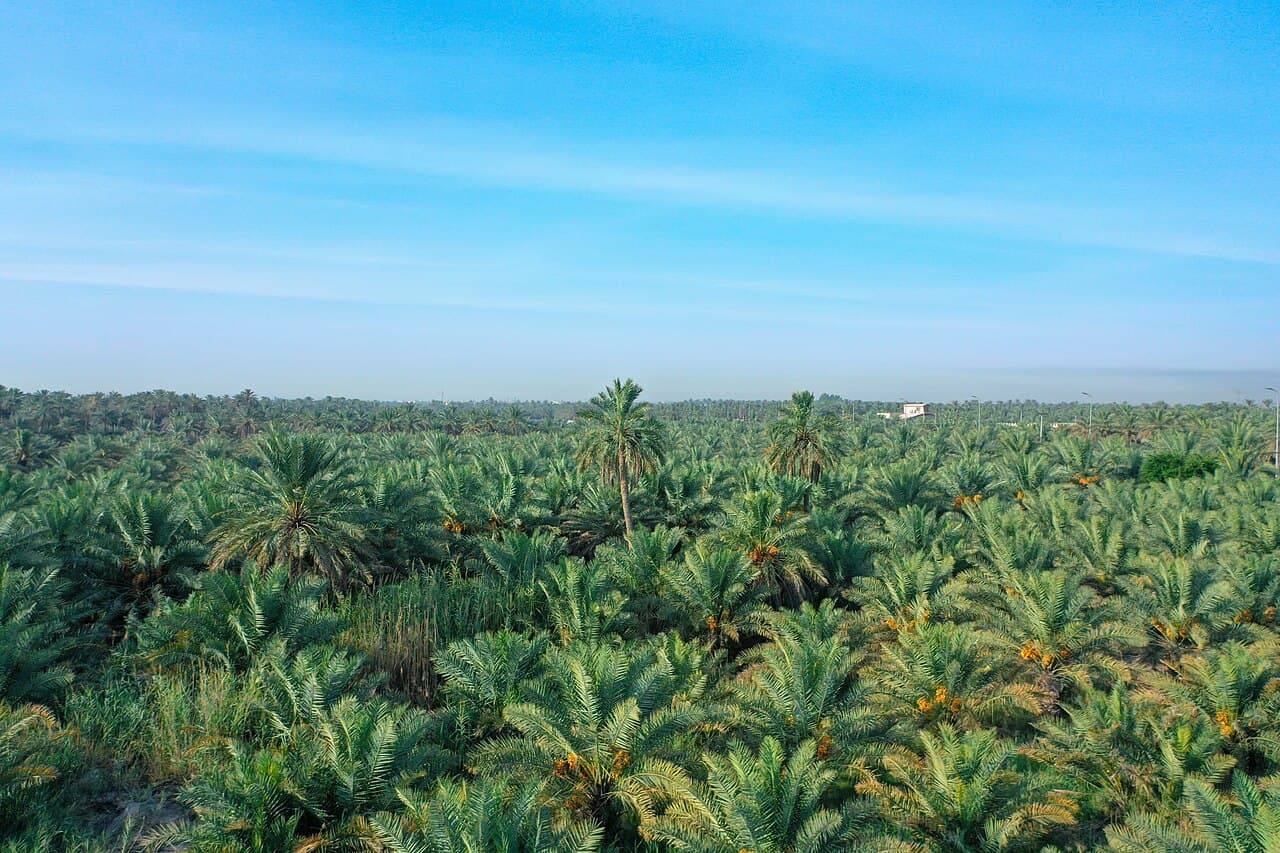
In Saudi Arabia’s east, Al-Ahsa Oasis spreads like a sea of palms—not a single garden but a system of springs, canals, wells, villages, and earthen architecture shaped over centuries.

A vast palm oasis
Among the world’s largest date-palm oases, Al-Ahsa’s historic springs fed irrigation networks that turned sand into orchards. Wetlands such as Al-Asfar add a natural layer to the cultural landscape.
Towns within the green
Hofuf, Mubarraz, palaces, markets, and mosques sit inside this fabric. The oasis linked Gulf trade with Najd and beyond.
UNESCO 2018
Inscribed as a cultural landscape of gardens, canals, springs, and heritage buildings, Al-Ahsa shows how people lived with water in an arid land. Listing supports protection of palms, irrigation, and local building traditions.
On the map
Saudi memory is not only Hijaz and Najd. Al-Ahsa completes the picture: a living eastern oasis still cultivated and inhabited.