Al-Ukhdud
Al-Ukhdud
Al-Ukhdud in Najran preserves a South Arabian cityscape linked to the Qur’anic “People of the Trench” and pre-Islamic trade routes.
Plan your visit
Practical information verified separately from the historical record.
Access: مركز زوار ومساحة عرض خارجية في موقع الأخدود بنجران.
Before you go: Check with the operator or a local guide before departure; field access details have not yet been verified.
Why visit?
See the excavated trenches, inscriptions, and settlement remains at Najran linked to one of the Quran's most solemn historical references.
Al-Ukhdud, near Najran in southwestern Saudi Arabia, is identified in Islamic tradition and local scholarship with the event described in Surah al-Buruj, in which believers were persecuted and cast into a trench of fire by a tyrannical ruler. The name means "the trench" or "the ditch," and the site has been associated with Najran's long history as a fertile valley settlement on the incense and caravan routes near the Yemeni frontier.
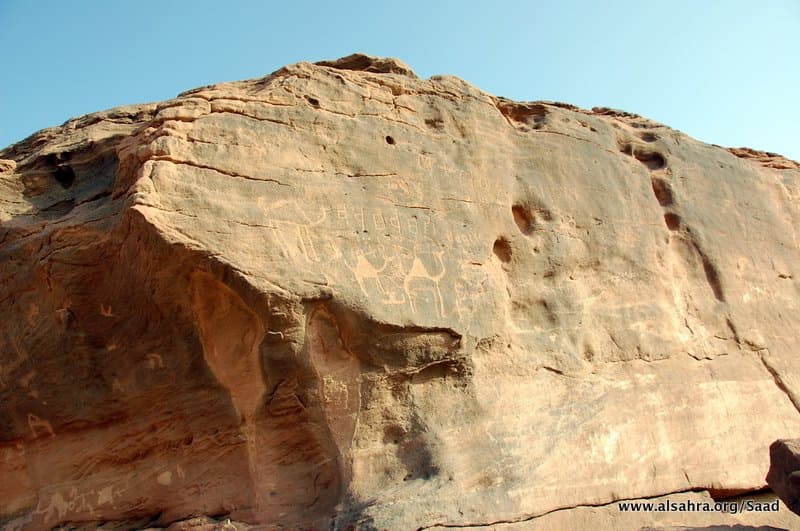
Archaeological work has uncovered remains of trenches, structures, and inscriptions that illuminate Najran's pre-Islamic and early Islamic past. The region was home to Christian communities before Islam and served as a cultural crossroads between Arabia and the southern highlands. The Ukhdud narrative, whether tied to a specific historical incident or a broader memory of persecution, became deeply embedded in Quranic and exegetical literature.
Visitors to Najran encounter al-Ukhdud as both a religious memorial and an archaeological zone, where the landscape of the valley and the material record of ancient settlement converge. The site anchors Najran's identity in national and Islamic heritage and invites reflection on faith, martyrdom, and the deep layers of history in Arabia's southwest.
Historical milestones
Related events
يربط نجران والأخدود وطريق البخور وجرش وظهران الجنوب كقصة تجارة ودين وممرات.
تكشف نجران عن تداخل الدين والتجارة والسياسة في جنوب الجزيرة، من نقوش حمى إلى الأخدود والواحات المحيطة.
يربط جرش عسير بنجران وتبالة وبيشة وتثليث كحزام جنوبي بين المرتفعات والطرق القديمة.