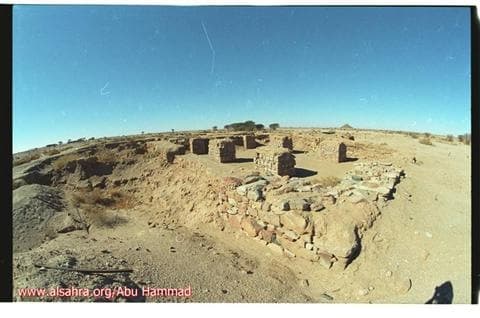
al-Rabdha
al-Rabdha
Al-Rabadha was a major early Islamic settlement and route station east of Madinah, excavated remains revealing homes, mosque traces and road logistics.
Plan your visit
Practical information verified separately from the historical record.
Access: موقع صحراوي بعيد؛ يحتاج تنسيقًا ومركبة مناسبة وماءً واتصالًا موثوقًا.
Before you go: Check with the operator or a local guide before departure; field access details have not yet been verified.
Why visit?
See one of the best-preserved waypoints on the great Kufan pilgrimage road.
Al-Rabdha (also spelled al-Rabadha) was a vital stop on the Darb Zubayda, the Abbasid-era Hajj route from Kufa to Mecca. Located in the heart of Najd, it provided water, shelter, and security to caravans crossing the arid interior. Arab geographers and Hajj guides documented it among the principal stations of the Kufan road.
The site preserves traces of the infrastructure that sustained pilgrimage for centuries: wells, reservoirs, and the remains of buildings that housed pilgrims and guarded the route. Rabdha connected the eastern Hajj roads with stations further west such as Fayd and Dhat 'Irq, forming a chain of oases and cisterns across the desert.
Today al-Rabdha offers a tangible link to the Abbasid golden age of Hajj travel, when thousands of pilgrims each year depended on these stations for survival. It reflects the engineering and organizational achievement of an empire that treated the pilgrimage as a sacred duty and a political priority.