Tabalah
Tabalah
A historic town in southern Hijaz that housed the pre-Islamic idol temple of Dhu al-Khalasa, and appears in an old Arabic proverb. The Prophet sent Jarir ibn Abd Allah al-Bajali to destroy the idol, after which the surrounding tribes embraced Islam.
Plan your visit
Practical information verified separately from the historical record.
Before you go: Check with the operator or a local guide before departure; field access details have not yet been verified.
Why visit?
Stand where one of the last great idols of the Jahiliyya fell and where the Basran Hajj road met the routes of Yemen.
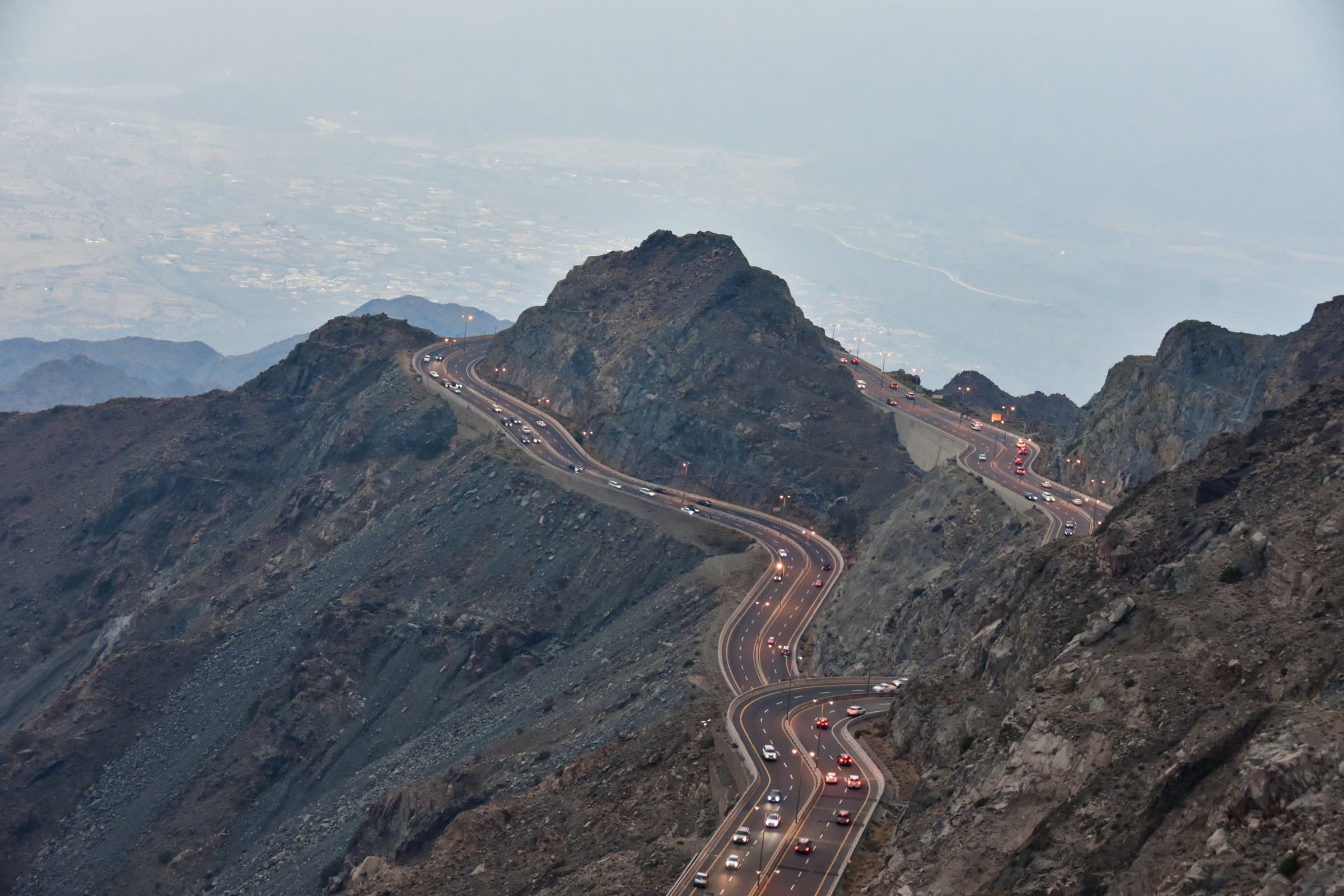
Tabalah lies in southern Hijaz near the Bishah region and served as a southern station on the Hijazi roads coming from Najd. In pre-Islamic times it was famous for the temple of Dhu al-Khalasa, called the Yemeni Kaaba, an idol worshipped by the tribes of Daws, Khath'am, and Bajila with half its body set in the earth. An old proverb ran, "Easier than Tabalah for pilgrims," because Tabalah lay off the correct line of march.
In the first or second year after the Conquest, the Prophet sent Jarir ibn Abd Allah al-Bajali at the head of one hundred and fifty horsemen to destroy Dhu al-Khalasa and burn it. Jarir carried out the mission and Daws and Khath'am accepted Islam. Tabalah also marks the point where the Basran Hajj road from the north intersected the routes of Yemen and the southern Hijaz.
Tabalah carries dual significance: as the site where a major Jahili idol was removed, and as a crossroads of north-south movement across western Arabia.