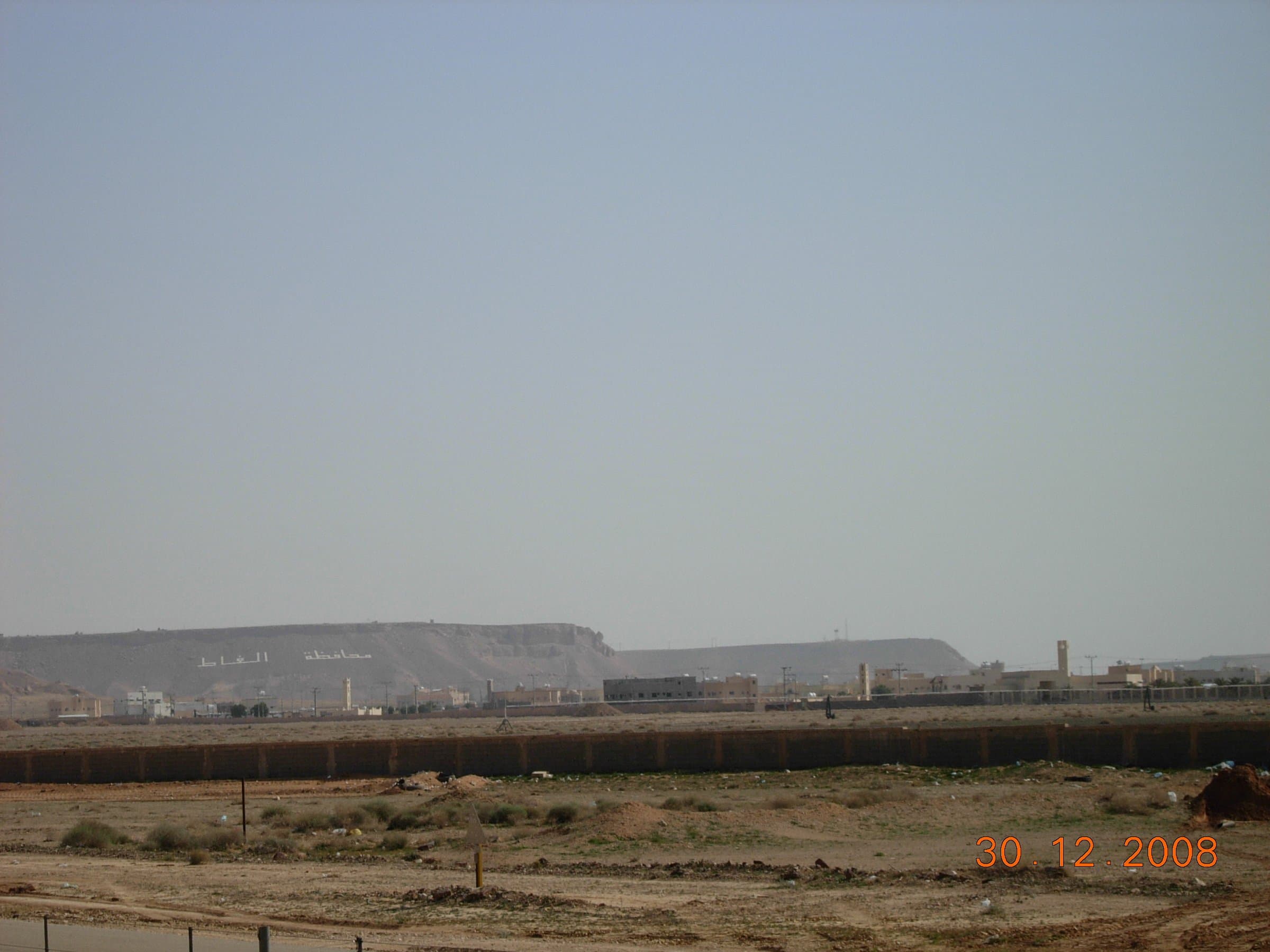
Marat
Marat
A historic Washm town predating Islam and flourishing in early Islam, set between the red mountain of Kumayt and the archaeological depression of Jafra Kumayt, and noted by Yaqut al-Hamawi as among the principal villages of Washm before Shaqra and Ushayqir rose to prominence.
Plan your visit
Practical information verified separately from the historical record.
Before you go: Check with the operator or a local guide before departure; field access details have not yet been verified.
Why visit?
Visit a highland Washm town where Khalid ibn al-Walid ordered the still-standing al-Walidi well and where the Abbasid commander Bugha campaigned in the third century AH.
Marat is one of the oldest towns of the Washm district in Najd, about 175 kilometers northwest of Riyadh at an elevation near 600 meters above sea level. Its history reaches back before Islam, and it prospered in the early Islamic period when the Companion Khalid ibn al-Walid arrived during the Ridda wars and ordered the digging of the al-Walidi well, which remains in use today.
Yaqut al-Hamawi listed Marat among the foremost villages of Washm before the emergence of Shaqra and Ushayqir, and tradition associates it with the pre-Islamic poet Imru al-Qays al-Tamimi. In the third century AH the Abbasid commander Bugha the Elder made it a base for his campaign against the Numayr tribe, adding a military chapter to its long civic record.
Set between Jabal Kumayt and the archaeological feature of Jafra Kumayt, Marat preserves the profile of a highland Washm community that bridged Jahili poetry, companionship-era engineering, and Abbasid frontier politics.