Khalsa Pavement
Khalsa Pavement
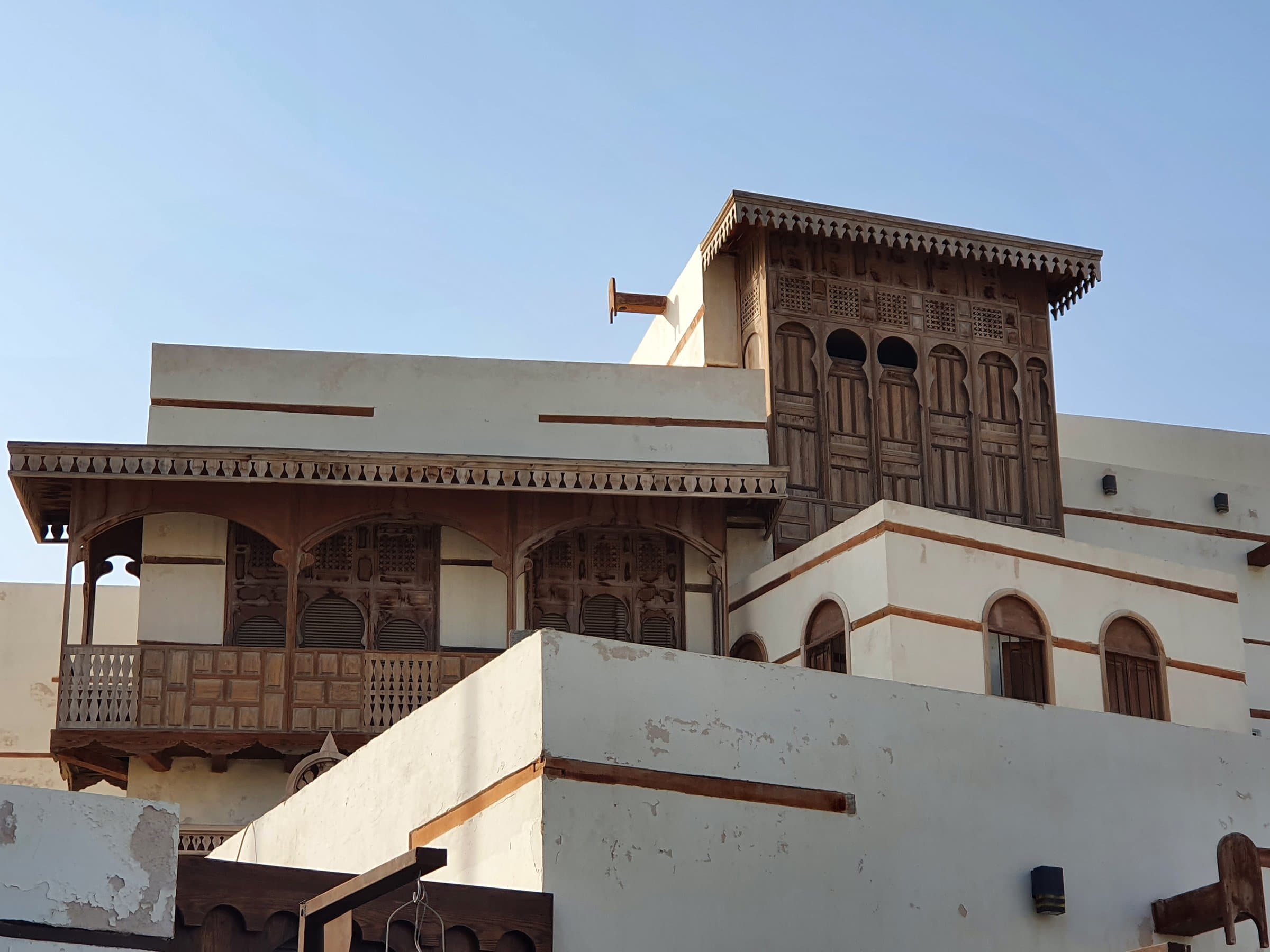
A five-kilometer stone-paved road on the Darb Zubayda built to protect pilgrims from mud in flatlands that turned boggy after rain. Flanking stone walls and underground channels rank it among the route's greatest engineering achievements.
Plan your visit
Practical information verified separately from the historical record.
Before you go: Check with the operator or a local guide before departure; field access details have not yet been verified.
Why visit?
Walk a rare medieval paved Hajj road designed to keep pilgrims dry through seasonal wetlands on the Kufan route.
Khalsa Pavement is a unique engineering work on the Darb Zubayda: a road surfaced with stone blocks stretching five kilometers across flat terrain that became muddy after rainfall. Stone walls line both sides to guide travelers, and underground channels carry water beneath the pavement. Abbasid planners clearly designed the infrastructure with weather in mind, seeking to preserve pilgrims and their provisions from mud on rainy days.
The nearby al-Ajfar area witnessed destructive flash floods, including in 281 AH when pilgrims drowned in sand after heavy rain. Sources indicate that Khalsa Pavement was built in direct response to the need for a safe crossing through soft ground. It stands among the rare paved roads of medieval Arabia and compares in significance to Roman road engineering elsewhere in the ancient world.
Khalsa Pavement shows the Abbasid Hajj project at its most practical: not only wells and fortresses, but stone highways built for comfort and safety in difficult terrain.